Why Contact Lens Fit Can Change Over Time
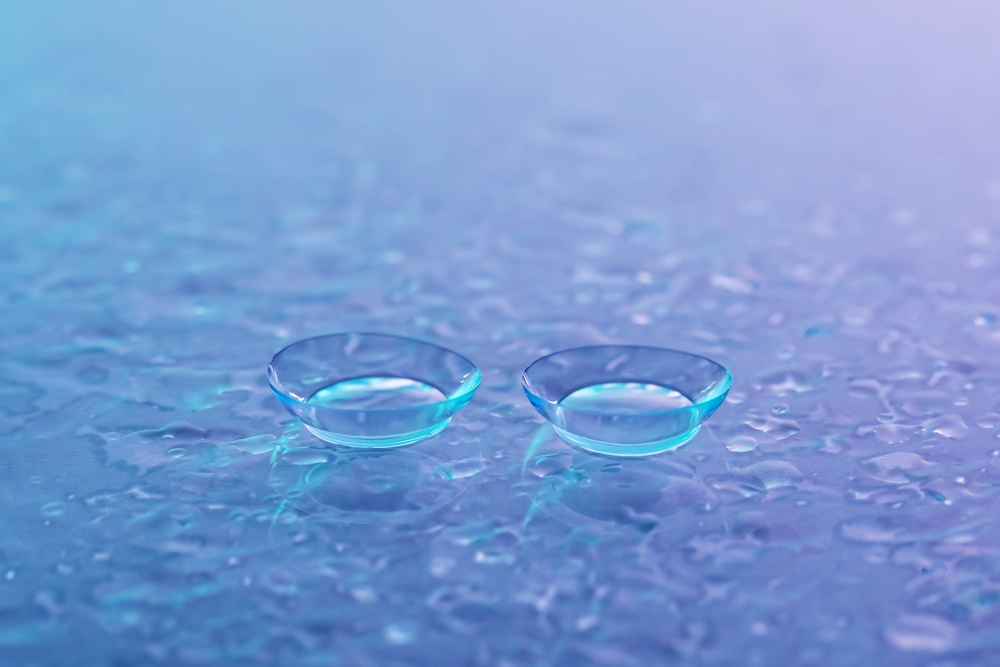
If you used to wear your contacts comfortably through dinner but now reach for your glasses by lunch, that change is worth mentioning at your next contact lens exam. Even when your prescription stays the same, the shape of your eye or the quality of your tears can change. At our Edgewater office, we look at how your lenses sit, how clearly you see, and when discomfort starts. Each detail helps us narrow down the cause.
How Eye Shape Affects Contact Lens Fit
A soft contact lens should stay centered over your cornea, the clear front surface of your eye, and move slightly when you blink. Its curve and diameter both influence how it sits. If a lens shifts too far with each blink, you may notice that words on a screen go in and out of focus.
Changes to the cornea can affect that fit. For example, LASIK reshapes the cornea, and a condition called keratoconus can cause it to thin and bulge gradually. In either case, a lens design that worked well in the past may sit differently on your eye today.
Why a Well-Fitting Lens Can Start to Feel Dry
Each blink spreads a thin layer of tears over your eyes and lenses. If that layer dries out too quickly, your contacts may feel gritty by midafternoon. Your vision may also clear briefly after a blink, then blur again.
Tear production can decrease with age, and some allergy medicines can make dryness worse. Long stretches at a computer can also contribute because you may blink less often while concentrating. When the lens still fits well, treating the dryness may make more sense than changing its size or power.
What to Tell Us at Your Contact Lens Exam
The pattern you notice at home can be hard to reproduce during a short office visit. A few details can help us decide what to check first.
Does one lens bother you, or do both eyes feel the same?
Does the discomfort start with a fresh pair or near replacement day?
Does blinking clear the blur, even for a moment?
How many hours can you comfortably wear your lenses now compared with a few months ago?
During the exam, we watch how each lens moves when you blink, check your vision, and examine the surface of your eyes. Depending on what we find, we may recommend dry eye care or fit you with a trial lens in a different material or design.
If you develop eye pain, unusual redness, light sensitivity, or sudden blurry vision while wearing contacts, remove your lenses and call an eye doctor right away.
If you’re taking your contacts out earlier than you used to, call Eyewellniss in Edgewater, NJ, at (732) 765-2075 to schedule a contact lens exam. We’ll check what has changed before you order your next box.


Our Locations
Located inside of

Edgewater
Short Hills
Paramus
Totowa
Watchung
© 2026 Eyewellniss. All Rights Reserved. Accessibility Statement - Privacy Policy - SMS Terms and Conditions - Terms of Service - Sitemap
Powered by: