Why Are My Eyes So Dry This Autumn? North Jersey Indoor Heating & Seasonal Allergy Fixes
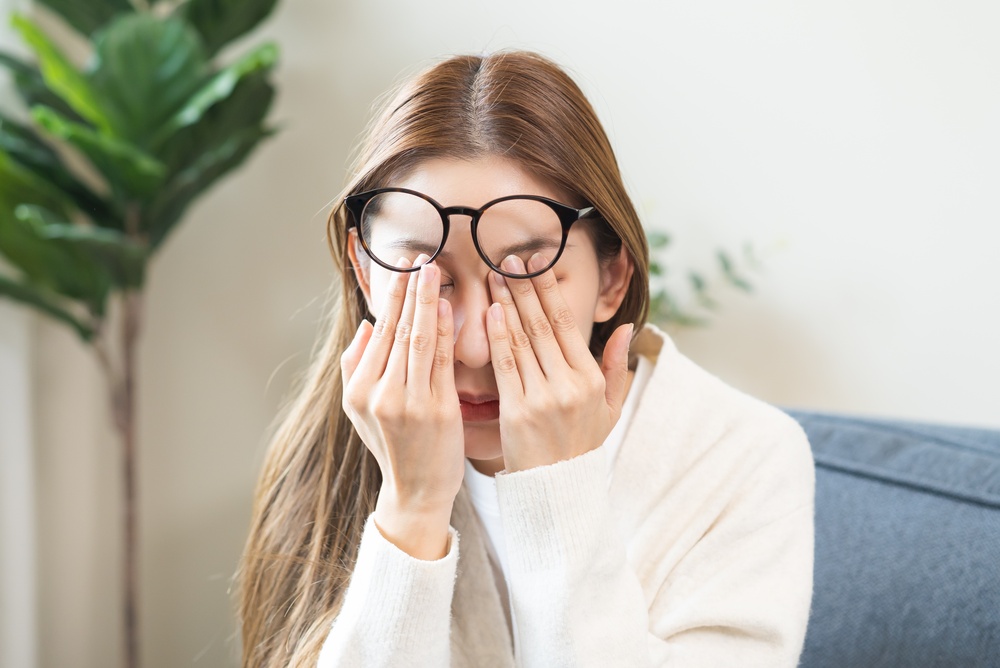
Autumn in North Jersey brings cooler temperatures, lower humidity, indoor heating, and seasonal allergens - all of which can make dry, irritated eyes more noticeable. If your eyes suddenly feel gritty, watery, itchy, or tired as the weather changes, the problem may be more than simple seasonal discomfort.
Dry eye and eye allergies can also occur at the same time. Understanding what is triggering your symptoms can help you choose the right relief instead of relying on drops that may only provide temporary comfort.
Why Indoor Heating Can Dry Out Your Eyes
Your tear film keeps the surface of your eyes smooth, protected, and comfortable. When indoor heating systems begin running in the fall, the air inside homes, offices, schools, and cars often becomes drier. Lower humidity can cause tears to evaporate faster, especially if you already have an unstable tear film or meibomian gland dysfunction.
Direct airflow can make the problem worse. Sitting near a heating vent, space heater, or fan can increase evaporation and leave your eyes feeling burning, sandy, or fatigued. Long hours on digital devices can add to the problem because people tend to blink less frequently while looking at screens.
Seasonal Allergies Can Feel Like Dry Eye
Fall allergens in North Jersey may include ragweed pollen, mold spores, dust, and other airborne irritants. Allergy symptoms often include itching, redness, watering, and swollen eyelids. Dry eye is more likely to cause burning, grittiness, fluctuating vision, or a feeling that something is in the eye.
Because the symptoms overlap, it is possible to mistake one condition for the other. Rubbing itchy eyes can further irritate the ocular surface and disrupt the tear film, which may make dryness feel worse.
Simple Ways to Reduce Autumn Eye Irritation
A few changes to your environment and daily routine may help limit seasonal flare-ups:
- Use a humidifier to add moisture to dry indoor air.
- Avoid sitting directly in front of heating vents or fans.
- Use preservative-free artificial tears when appropriate.
- Take regular screen breaks and make a conscious effort to blink fully.
- Change clothes and wash your face after spending time around pollen.
- Keep HVAC filters clean to reduce dust and airborne irritants.
- Apply a cool compress when itching is the main symptom.
If you wear contact lenses, dryness or allergies may also make your lenses less comfortable. Your eye doctor can determine whether temporary changes to your lens schedule, care routine, or lens type may help.
When At-Home Relief Is Not Enough
Persistent dry eye should not be ignored. Symptoms that keep returning may be related to tear evaporation, eyelid inflammation, blocked oil glands, allergies, medication use, contact lens wear, or another eye surface condition.
At Eyewellniss, we can evaluate the health of your eyes and tear film to determine what may be contributing to your symptoms. Dry eye management should be based on the cause, which is why a professional evaluation can be more helpful than repeatedly switching over-the-counter drops.
Schedule a dry eye evaluation with Eyewellniss at one of our North Jersey locations: Edgewater, NJ at (732) 765-2075, Short Hills, NJ at (973) 535-1171, Paramus, NJ at (201) 712-0888, Totowa, NJ at (973) 890-7070, or Watchung, NJ at (908) 322-5020.


Our Locations
Located inside of

Edgewater
Short Hills
Paramus
Totowa
Watchung
© 2026 Eyewellniss. All Rights Reserved. Accessibility Statement - Privacy Policy - SMS Terms and Conditions - Terms of Service - Sitemap
Powered by: