What Your Eye Doctor Looks for During a Comprehensive Eye Exam
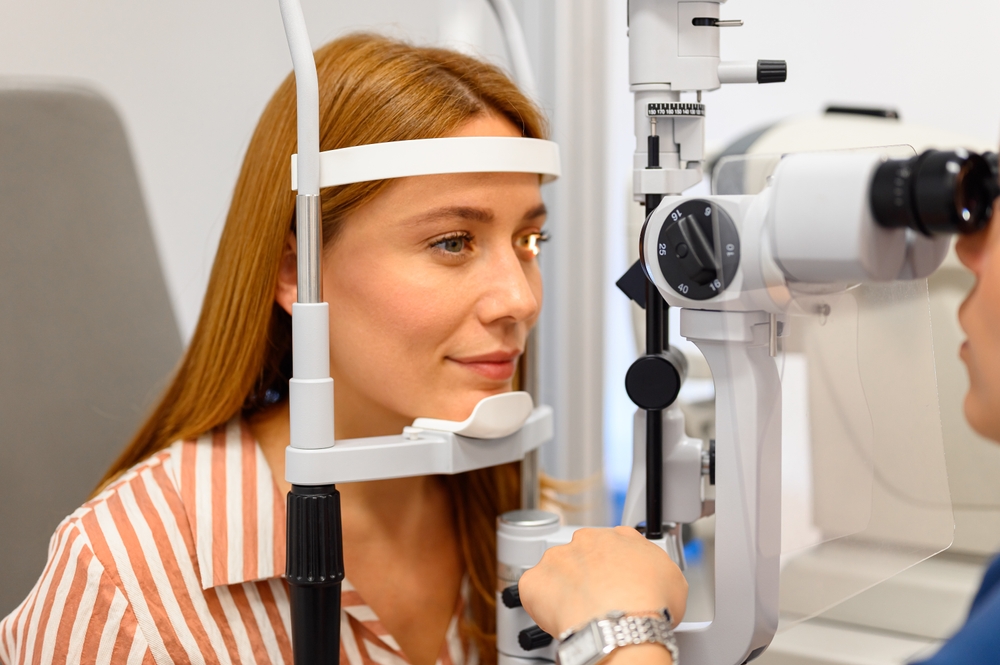
A comprehensive eye exam is much more than a simple vision test. While many people assume it’s only about updating a glasses or contact lens prescription, your eye doctor is actually evaluating the overall health of your eyes and, in some cases, identifying early signs of systemic health conditions. At Eyewellniss, comprehensive eye exams are designed to protect both your vision and your long-term eye health.
Medical and Vision History Review
Your exam begins with a discussion of your medical history, family eye health history, and any vision concerns you may have. Your eye doctor will ask about symptoms such as blurry vision, headaches, eye strain, dryness, or difficulty seeing at night.
This step is important because conditions like diabetes, high blood pressure, autoimmune disorders, and even certain medications can directly affect eye health. Family history also plays a role in assessing your risk for conditions such as glaucoma or macular degeneration.
Visual Acuity and Refraction Testing
Visual acuity testing measures how clearly you see at different distances. This is the familiar portion of the exam where you read letters on an eye chart. Refraction testing follows, allowing your doctor to determine the precise prescription needed to correct nearsightedness, farsightedness, or astigmatism. Even small changes in prescription can significantly improve comfort, clarity, and eye strain, especially for patients who spend long hours on digital devices.
Eye Muscle and Alignment Evaluation
Your eye doctor will assess how well your eyes work together by checking eye movement, tracking, and alignment. This helps identify issues such as eye teaming problems or muscle imbalances that can cause double vision, fatigue, headaches, or difficulty focusing. These evaluations are especially important for children, students, and adults who experience eye strain during reading or screen use.
Eye Pressure Measurement (Glaucoma Screening)
Measuring intraocular pressure helps screen for glaucoma, a condition that can damage the optic nerve and lead to permanent vision loss if left untreated. Elevated eye pressure is often one of the earliest warning signs. Because glaucoma frequently has no noticeable symptoms in its early stages, regular comprehensive eye exams are critical for early detection and management.
Examination of the Front of the Eye
Using specialized instruments, your eye doctor examines the structures at the front of the eye, including the eyelids, cornea, iris, and lens. This allows them to detect conditions such as dry eye disease, infections, cataracts, corneal damage, or inflammation.
Retinal and Optic Nerve Evaluation
One of the most important parts of a comprehensive eye exam is evaluating the retina and optic nerve at the back of the eye. This is done using advanced imaging technology or dilation when necessary.
This examination helps detect serious eye conditions such as diabetic retinopathy, macular degeneration, retinal tears, and optic nerve damage. In some cases, changes in the retina can also indicate systemic health issues like diabetes or hypertension before other symptoms appear.
Digital Eye Strain and Lifestyle Assessment
Your eye doctor may ask about your daily habits, including screen time, work environment, and hobbies. This helps determine whether digital eye strain, dry eye symptoms, or focusing fatigue may be affecting your vision.
Based on this information, your doctor can recommend lens options, treatment plans, or lifestyle adjustments to improve comfort and protect your eyes throughout the day.
Prioritize Your Vision and Eye Health with Eyewellniss
A comprehensive eye exam is a vital part of maintaining healthy vision and overall wellness. By evaluating vision clarity, eye coordination, eye pressure, and internal eye health, your eye doctor can detect problems early.
Schedule a comprehensive eye exam at Eyewellniss to stay proactive about your eye health and catch potential issues early. Visit any of our offices in Edgewater, Livingston, Watchung, or Paramus, New Jersey. Please call (201) 945-8931, (973) 535-1171, (908) 322-5020 or (201) 712-0888 to book an appointment today.


Our Locations
Located inside of

Edgewater
Short Hills
Paramus
Totowa
Watchung
Powered by: