Scratched Cornea (Corneal Abrasion): Symptoms and Treatment
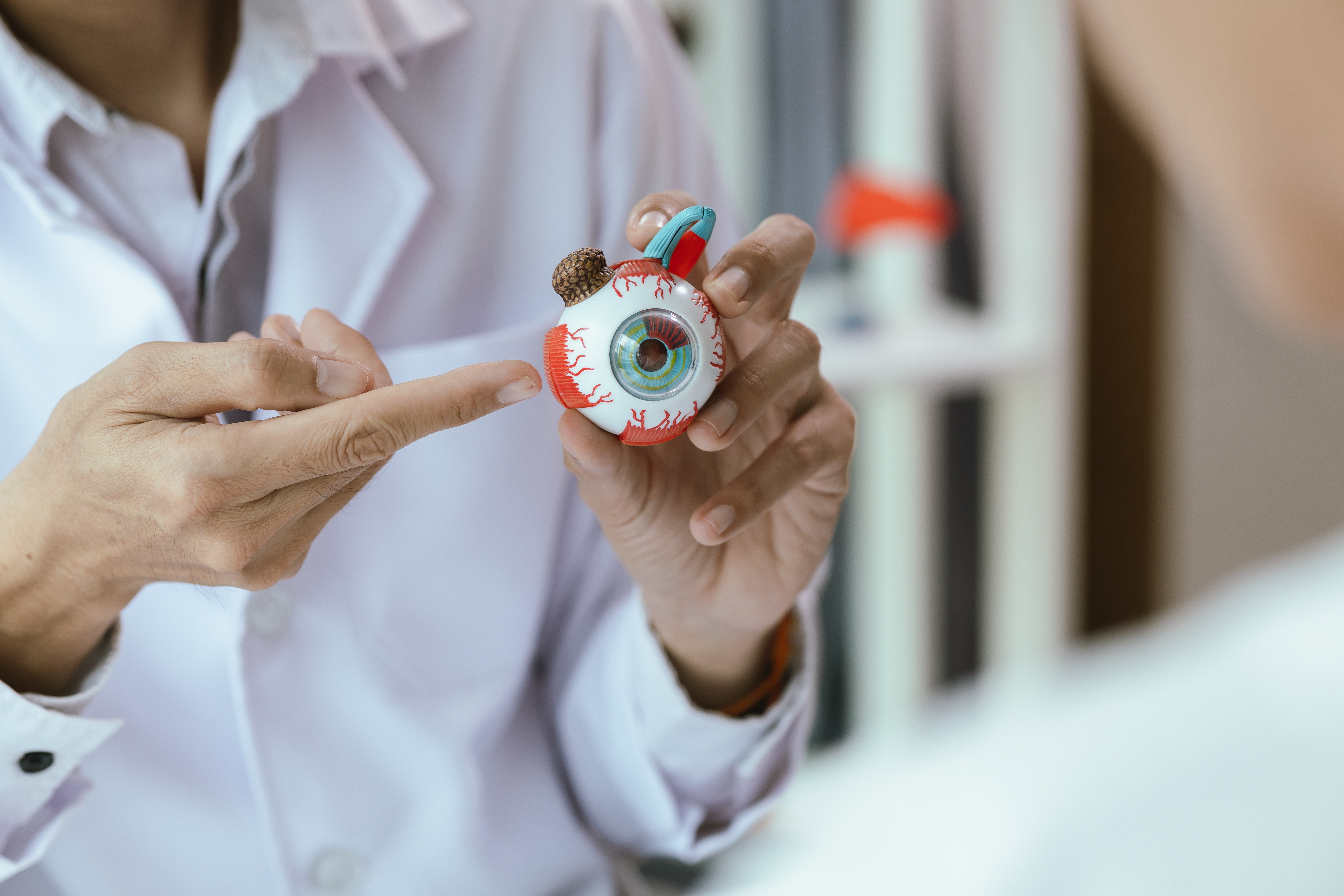
A scratched cornea, also called a corneal abrasion, can happen suddenly and feel very uncomfortable. The cornea is the clear front surface of the eye, and even a small scratch can cause pain, tearing, redness, and light sensitivity. For patients in Edgewater and surrounding New Jersey communities, prompt eye care can help relieve discomfort and reduce the risk of complications.
At Eyewellniss, patients can be evaluated for urgent eye concerns, including red eyes, eye pain, irritation, and possible corneal abrasions.
What Causes A Scratched Cornea?
A corneal abrasion can happen when the surface of the eye is scraped or irritated. This may occur from a fingernail, makeup brush, paper edge, contact lens, dust, sand, or another small object that gets into the eye. Some patients may also scratch the cornea by rubbing the eye when something feels stuck.
In Edgewater, patients who wear contact lenses should be especially careful. A torn lens, poor lens hygiene, overwear, or sleeping in contacts can increase the risk of irritation or injury to the cornea.
Common Symptoms Of A Corneal Abrasion
A scratched cornea can feel more serious than it looks because the cornea has many sensitive nerve endings. Symptoms may start right away or become more noticeable over several hours.
Common signs of a corneal abrasion include:
- Sharp eye pain or a gritty, foreign-body feeling
- Redness, tearing, or watery eyes
- Light sensitivity
- Blurry or fluctuating vision
- Pain when blinking
- Headache or discomfort around the eye
- Trouble wearing contact lenses
If you notice these symptoms, it is important not to ignore them. A corneal abrasion can sometimes lead to infection, especially if bacteria are introduced through contact lenses or contaminated objects.
What To Do If You Think You Scratched Your Eye
If you think you have scratched your cornea, avoid rubbing the eye. Rubbing can make the abrasion worse or push debris deeper into the surface of the eye. You should also remove contact lenses and avoid wearing them again until your eye doctor says it is safe.
You may gently rinse the eye with sterile saline or artificial tears if something feels stuck, but do not use tap water, redness-relief drops, or leftover prescription eye drops. Do not try to remove an object that is embedded in the eye. If pain, redness, light sensitivity, or blurry vision continues, schedule an urgent eye exam in Edgewater as soon as possible.
How Eye Doctors Diagnose A Corneal Abrasion
During an eye exam, your eye doctor can carefully evaluate the surface of the eye using magnification and special diagnostic dye. This dye helps highlight scratches on the cornea so the doctor can see the size, location, and depth of the abrasion.
Your provider may also check for foreign material under the eyelid, signs of infection, contact lens-related complications, or other eye conditions that can cause similar symptoms. This is important because eye pain and redness can have many causes, and the right treatment depends on an accurate diagnosis.
Treatment For A Scratched Cornea
Treatment for a corneal abrasion depends on the severity of the scratch and whether there is any risk of infection. Many mild abrasions heal quickly with proper care, but professional guidance is still important.
Your eye doctor may recommend lubricating drops, prescription antibiotic drops, or other medication to support healing and prevent infection. In some cases, a bandage contact lens may be used to protect the cornea while it heals. If the abrasion is related to contact lens wear, you may need to pause contact lens use until the eye has fully recovered.
Patients in Edgewater should seek immediate care if symptoms worsen, vision changes, light sensitivity increases, or pain does not improve.
How To Help Prevent Corneal Abrasions
While not every scratched cornea can be prevented, simple habits can lower your risk. Wear protective eyewear during yard work, sports, home repairs, or jobs that involve dust and debris. Replace contact lenses as directed, wash your hands before handling lenses, and never sleep in contacts unless your eye doctor has approved it.
You should also avoid rubbing your eyes, especially when they feel dry or irritated. If you frequently feel like something is in your eye, an exam can help determine whether dryness, allergies, contact lens issues, or another condition is contributing to the problem.
Schedule an urgent eye exam with Eyewellniss in Edgewater, NJ, located at 70 The Promenade, by calling (732) 765-2075.


Our Locations
Located inside of

Edgewater
Short Hills
Paramus
Totowa
Watchung
Powered by: